
Positioning Kai Tak as Hong Kong’s premier sporting destination.
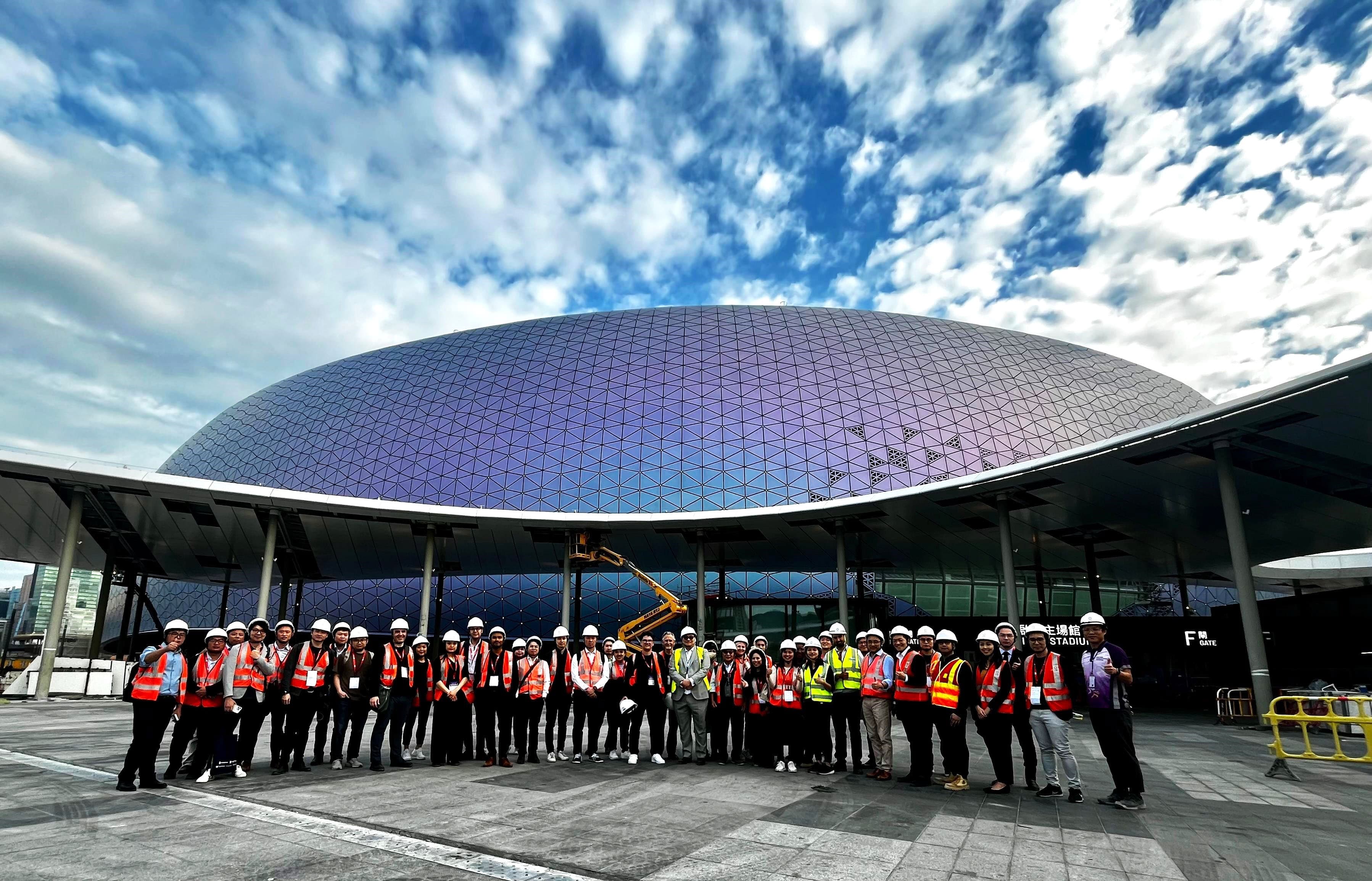
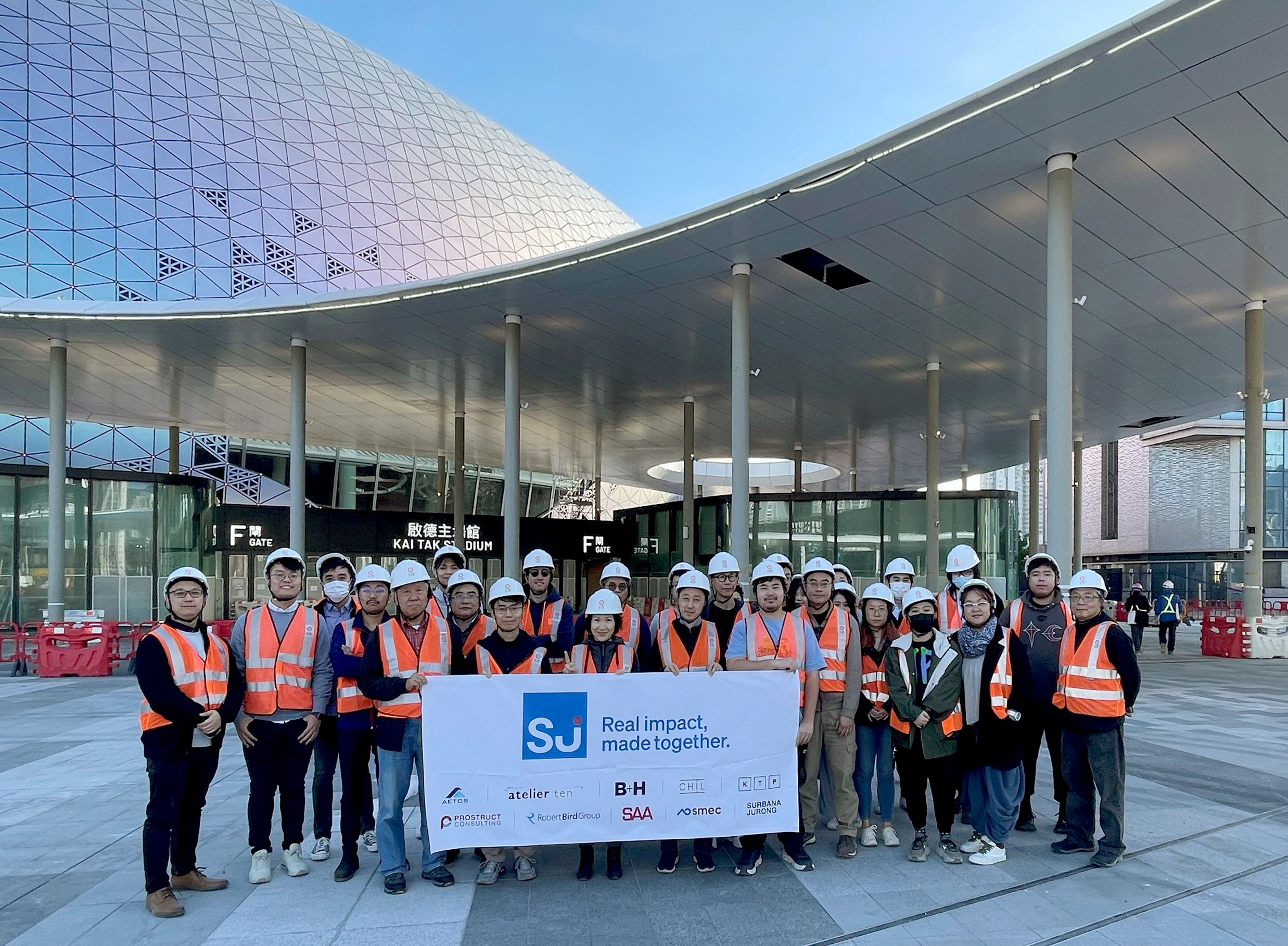
Kai Tak Sports Park is one of Hong Kong’s most ambitious infrastructure projects - transforming the former airport site into a multi-purpose civic destination. Robert Bird Group led the construction engineering strategy behind the project’s signature long-span steel roof structures, working across teams in Hong Kong and Melbourne to deliver a globally significant civic asset.
-
Location
Hong Kong
-
Period
Ongoing
-
Member companies
SJ, RBG
-
Impact
Boosting economic expansion
-
50k
Main stadium capacity
-
10k
Indoor sports centre capacity
-
5k
Public sports ground capacity
Passion meets precision

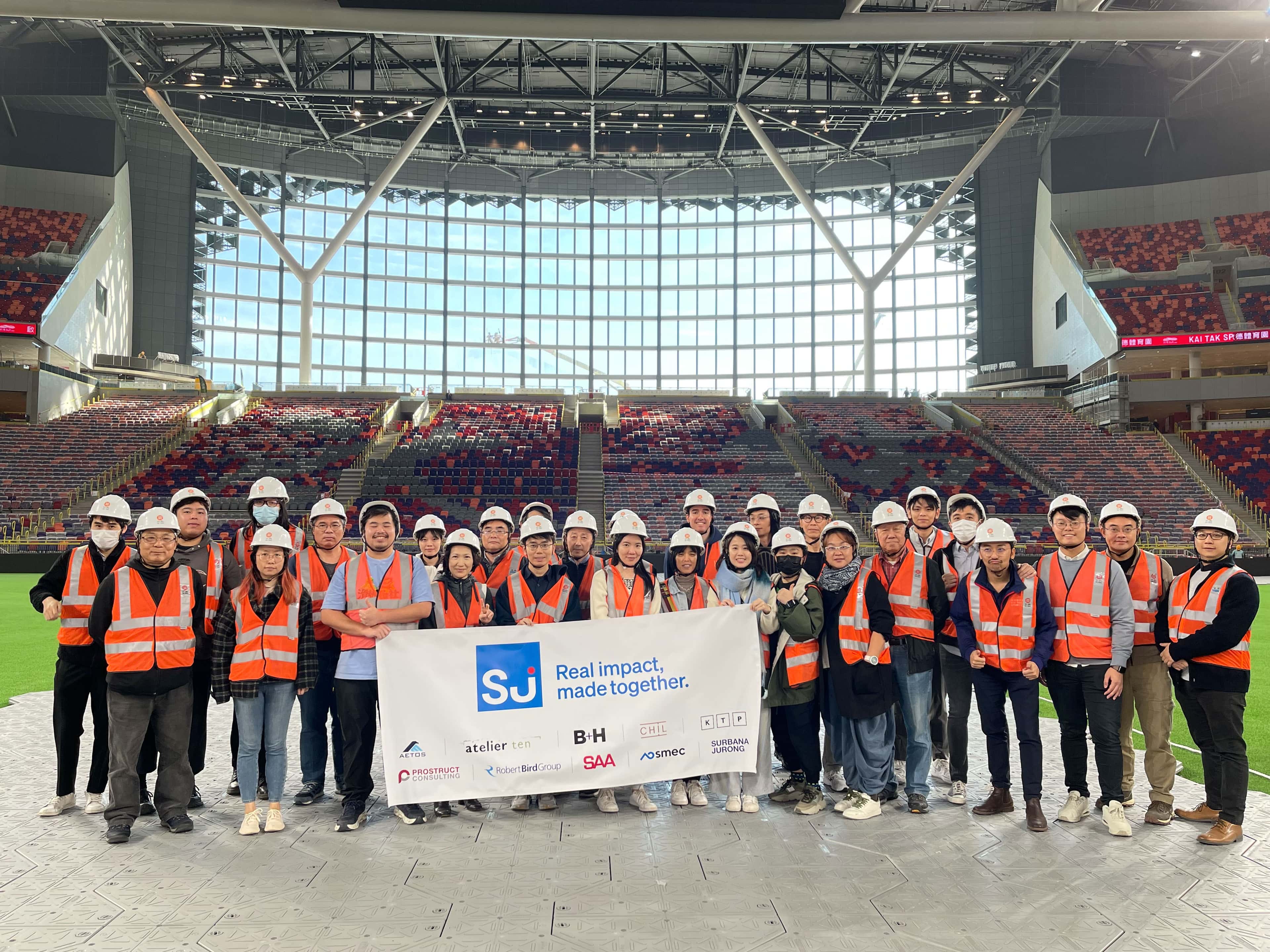
At the heart of the development is a 50,000-seat main stadium designed to accommodate a range of international sporting and entertainment events, supported by a fully integrated 10,000-seat indoor arena and a 5,000-seat outdoor sports ground. These facilities are connected by landscaped public spaces and supported by retail, dining, and community zones – creating a dynamic precinct that is active beyond event days.
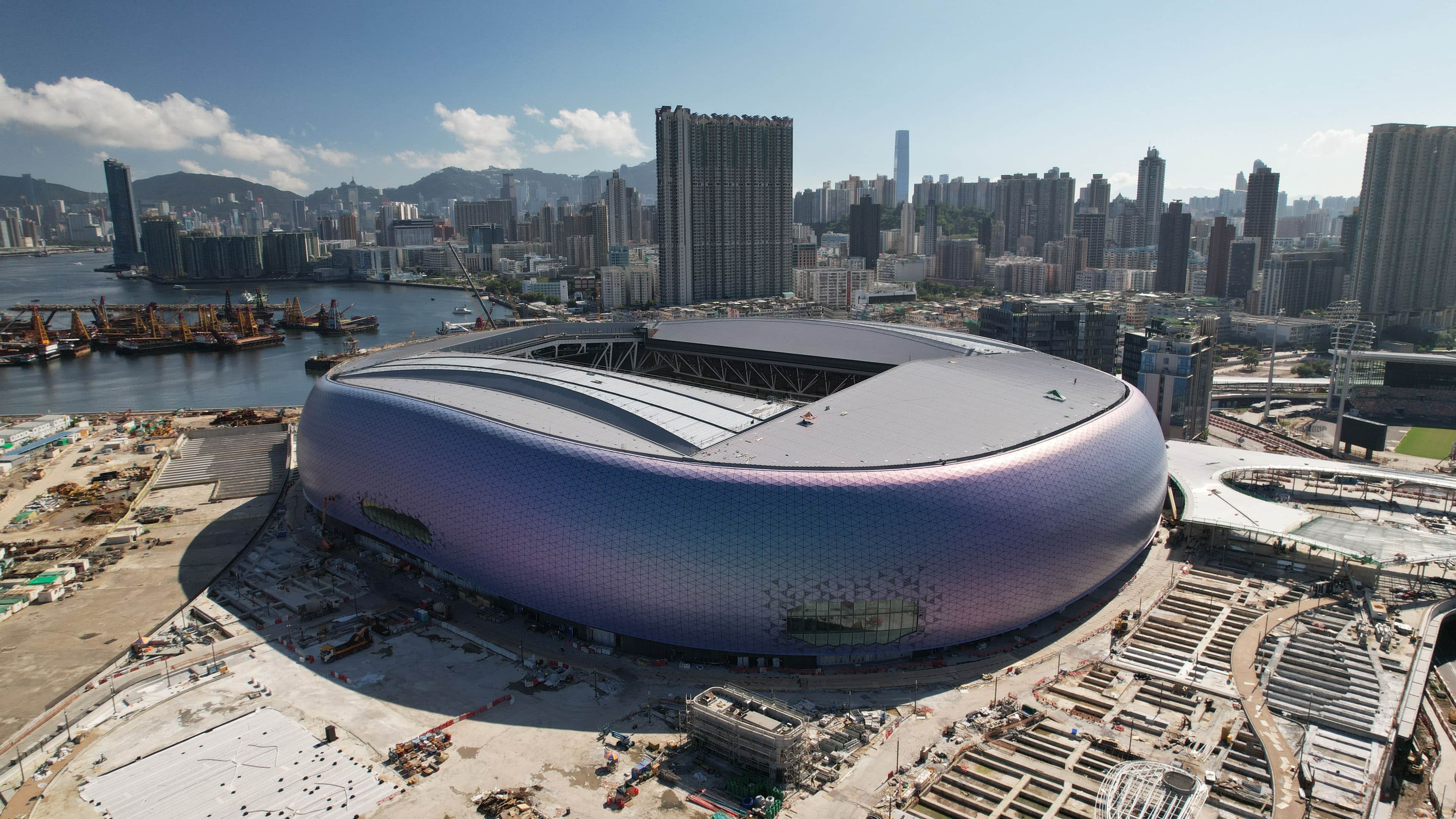
Constructing such a massive structure in a constrained urban environment presented formidable logistical challenges – tight site access, crane restrictions, typhoon risk and height limitations. The centrepiece stadium roof includes two retractable panels spanning 90 by 140 metres, supported by 180-metre-long trusses reaching 20 metres in depth. To lift these colossal elements up to 50 metres above ground safely, Robert Bird Group (RBG) developed a bespoke strategy that prioritised prefabrication and minimised work at height.
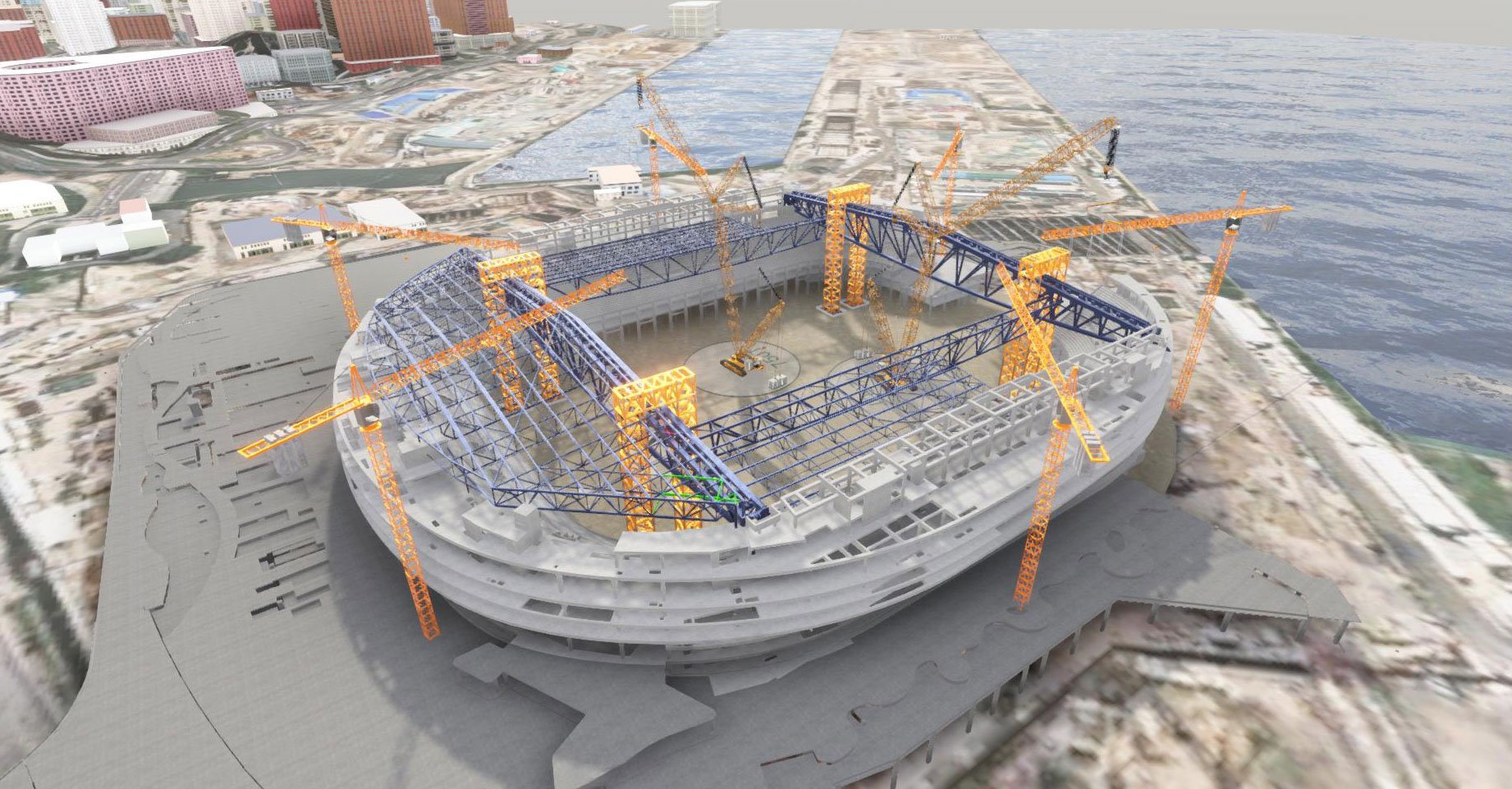
RBG pioneered the ‘H-lift’ method, assembling prefabricated roof trusses at ground level and lifting them into place with strand jacks mounted on modular, reusable steel towers. The successful one-day lift of the primary trusses marked a defining moment in the project – an engineering and logistical milestone that set new benchmarks for complex long-span stadium design. This system avoided over-reliance on temporary works and reduced embodied carbon by an estimated 1,200 tonnes. The retractable roof panels – each weighing 2,500 tonnes – were fully assembled on the ground with cladding and services before being lifted into position. This methodology was supported by staged construction analysis to ensure structural stability throughout.
The outcome
From early-stage planning through to final assembly, RBG’s integrated approach demonstrates best practice in construction engineering. Kai Tak Sports Park now stands as a symbol of collaboration, innovation and resilience – delivering long-term social, cultural and economic impact for Hong Kong.
Up next